


BD Athlete Jacopo Larcher is now a veteran of the trad game. One of the first to bring 5.15-level sport climbing strength to gear routes, Larcher's 2019 first ascent of Tribe (9a/5.14d) was an early contender for one of the world's hardest trad lines. In France, Jacopo recently teamed up with Connor Herson on Bon Voyage—a mythical James Pearson trad rig with the hefty 9a/5.14d grade. Watch Jacopo's years of experience factor into this beautiful ascent.
For more on the future of cutting-edge trad climbing, enjoy this thoughtful essay by Jacopo himself.
THE GROWING TRIBE OF TRAD
By Jacopo Larcher
It’s a different approach to the resource of rock. You don’t mold it to your needs; you adapt to it. It’s a fairer approach and a more demanding search. But it’s such a rewarding feeling to look back and see nothing but a faint chalk marks instead of dangling draws or bolts. Most of the time, after a good rain, you can’t even tell whether anyone has been on that piece of rock before. It’s exactly this combination that draws me trad climbing.
I was very lucky early on that a friend showed me the line that later became Tribe. Though I didn’t quite realize it at first, the route was exactly what I was looking for: an aesthetic, hard line, protected by just enough good gear to make it safe. When I started trying it, I still had little experience in trad climbing. I remember just playing around on it, without really knowing what I was doing. I thought it was extremely dangerous and that I would have to rehearse it perfectly before attempting it, since falling wasn’t an option. Over time, and after gaining experience on other historic lines, I realized it was quite the opposite. The gear was good. Some falls could have been big, but overall, it was safe.
That project became a mirror of my evolution as a trad climber. Season after season, over six years, I could see improvements—not only on the route itself, but especially in my trad climbing overall. Looking back, it was an incredible process that taught me a lot, but it also left a bit of a void, as it will be hard to experience something similar again.
After Tribe, my search for the next trad dream line didn’t stop, but I realized how difficult it really is—and how lucky I had been—to find something that is physically that hard while still being protectable.

I think this will be one of the main challenges for the future of the sport, which I believe is bright. In recent years, more climbers have gotten into traditional climbing, and many strong young climbers are already pushing the boundaries of the sport. To me, the scene has become more dynamic, and—most importantly—the overall approach has changed.
In the past, most trad climbers mainly focused on this discipline, getting lots of mileage but rarely pushing themselves to their physical limits. That was simply how the sport had developed. The new generation, however, has blended sport climbing and bouldering mentalities into trad climbing—and the boundaries are being pushed.
More and more climbers are operating at the cutting edge, and it’s been incredibly inspiring and motivating for me to witness the skills and level of the younger generation pushing things forward. When I started climbing, trad was mostly practiced by “older” climbers, and it’s amazing to see how the trad scene has become younger. That’s an essential foundation for the future of the sport.
For me, Connor is the best example. I’ve been lucky to share a few trips with him over the past years and to witness his incredibly fast and steep progression. Watching him climb—especially on gear—blows my mind every time. The ease with which he handles placements, and how natural and effortless crack climbing looks for him, is simply incredible. It’s hard to say he’s only at the beginning of his career, given what he has already achieved, but considering his age, he truly is. I’m very excited to see how far he—and other young climbers—will push the sport in the coming years. They clearly have both the skills and the motivation to push the limits.
The question is which path will they take? Finding physically cutting-edge lines will become increasingly difficult. It’s already hard to find a 9c sport climb—let alone one that also takes gear and is safe enough. Maybe hard and safe trad lines will likely see more ground-up or flash/onsight ascents in the future, but it’ll become increasingly challenging to find new ones.
The other possible path is focusing on more dangerous but physically easier lines, which are easier to find. This is the other end of the trad spectrum, which hasn’t been pushed as much in recent years. In the past, 8b climbers used to put up deadly 8a routes, but none of the 9b climbers have established truly dangerous 9a lines. Most recent cutting-edge trad routes have focused on very hard technical climbing with limited danger, aside from a few exceptions. This could be another direction for hard trad climbing in the future—a bolder one, with greater potential, but also higher consequences.
On my side, I can only say that this “fresh” young energy in trad climbing has been a gift. Climbing with Connor, for example, has motivated me even more to try hard and to keep pursuing my search for the dream line.
⎯Jacopo Larcher
JACOPO'S GEAR PICKS

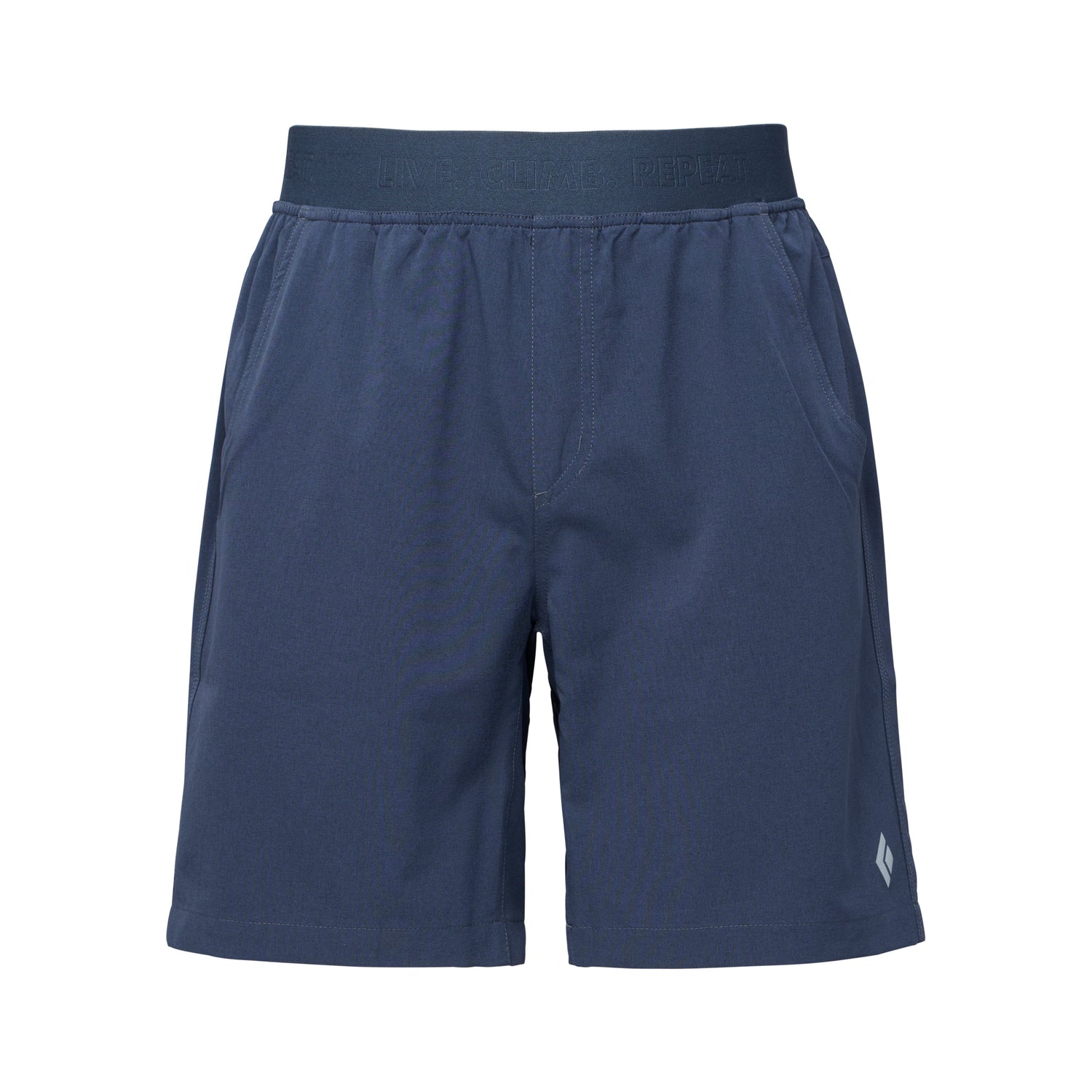
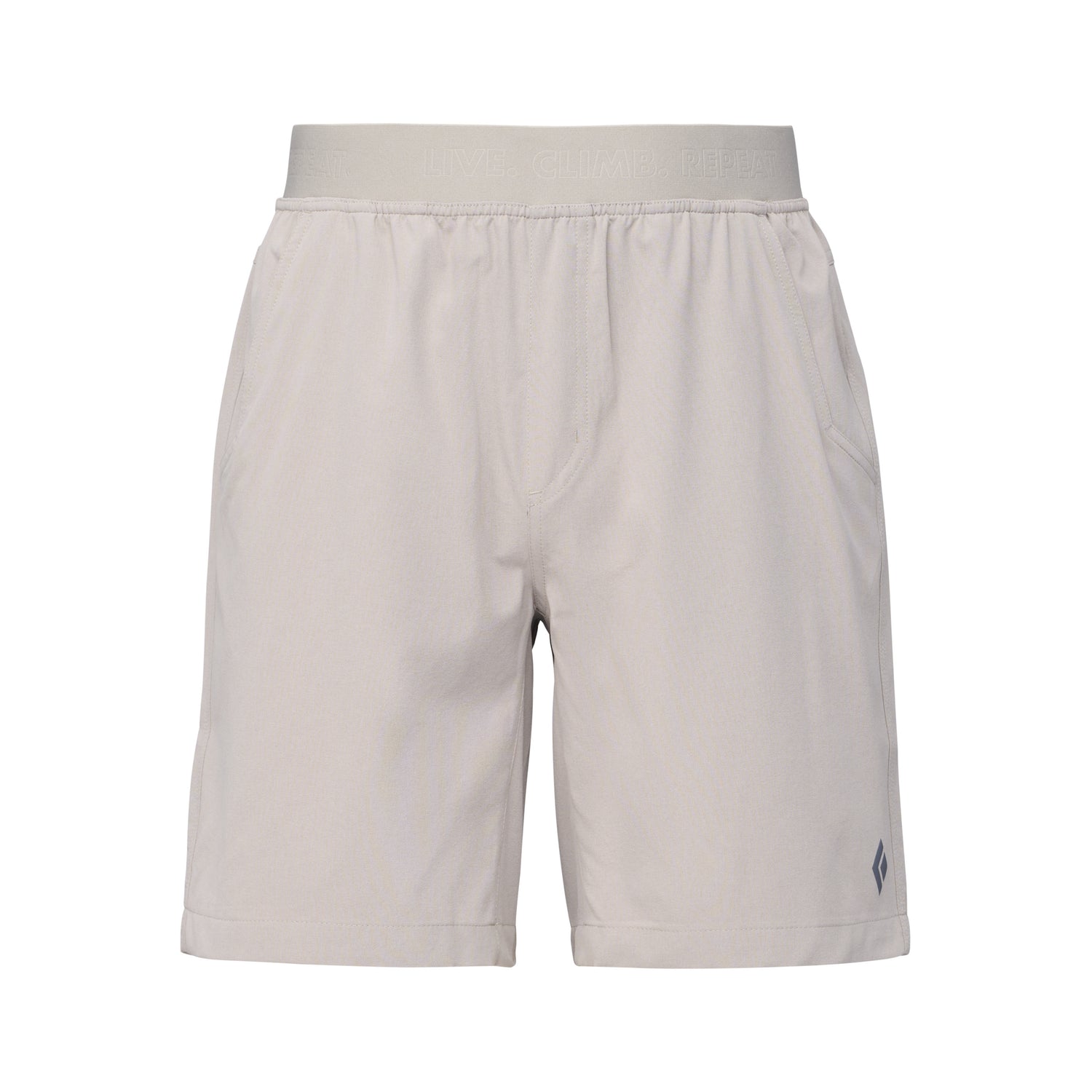

Men's Sierra Shorts


Men's Dirtbag Pants
€95,00
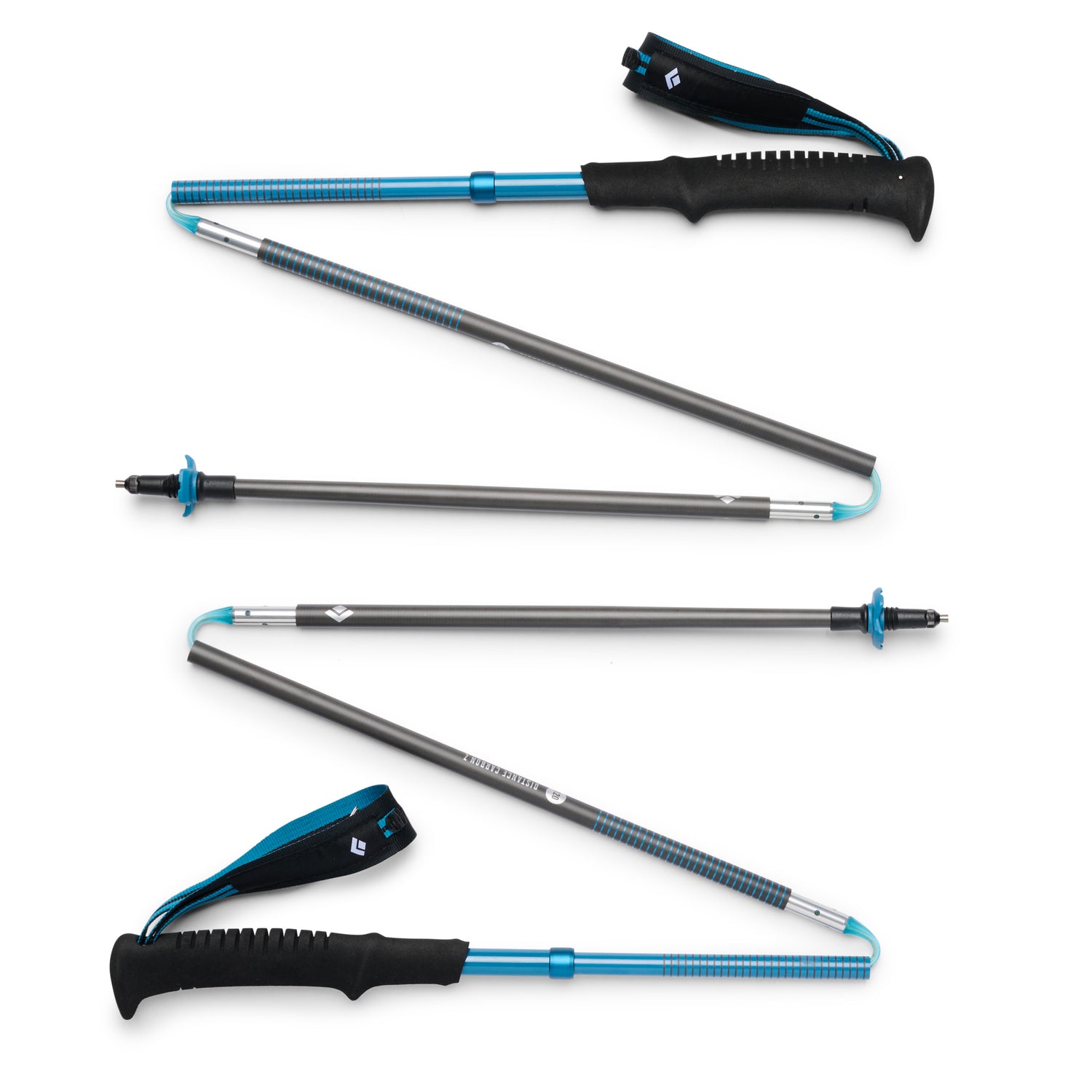
Distance Carbon Z Poles
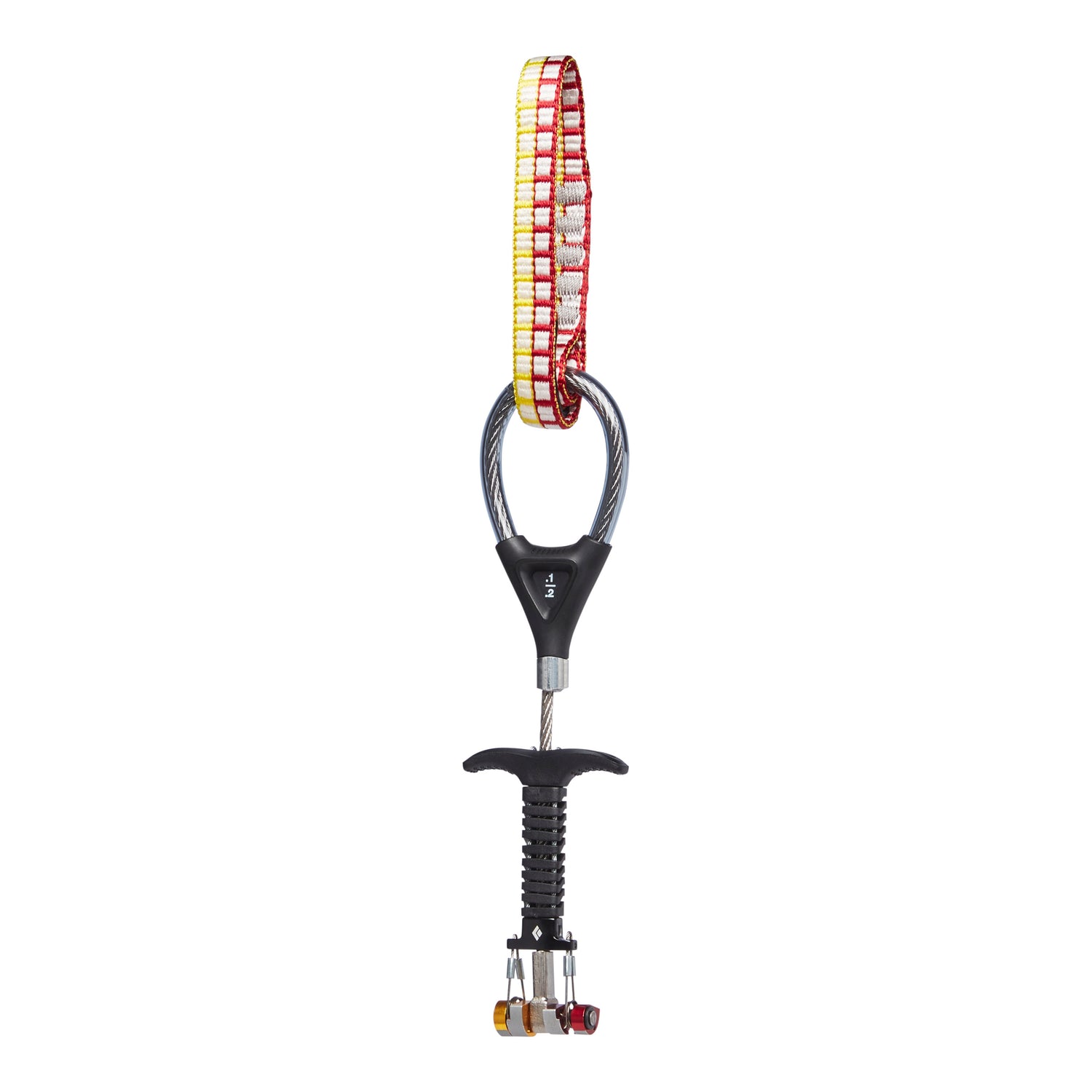
Z4 Offset Camalot
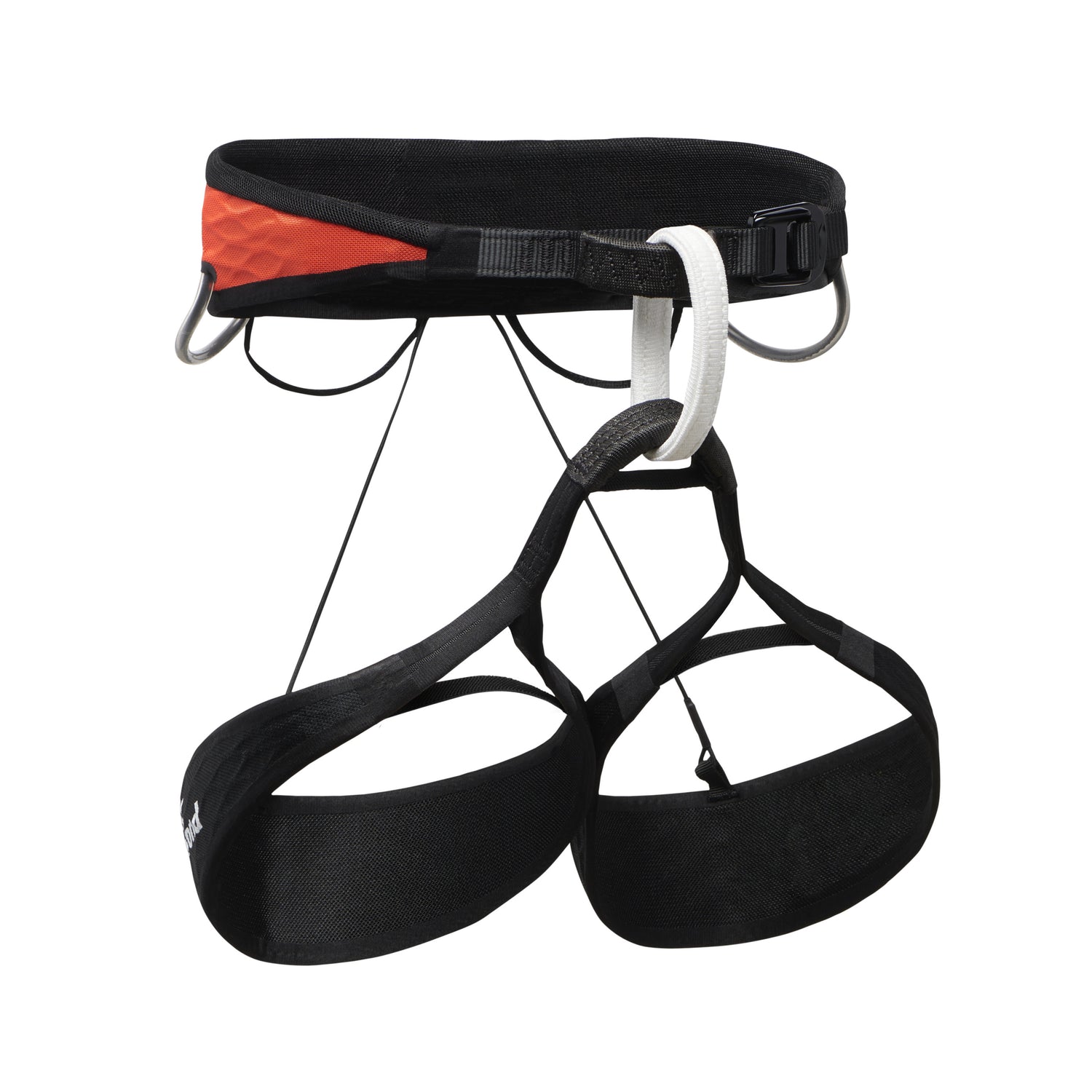
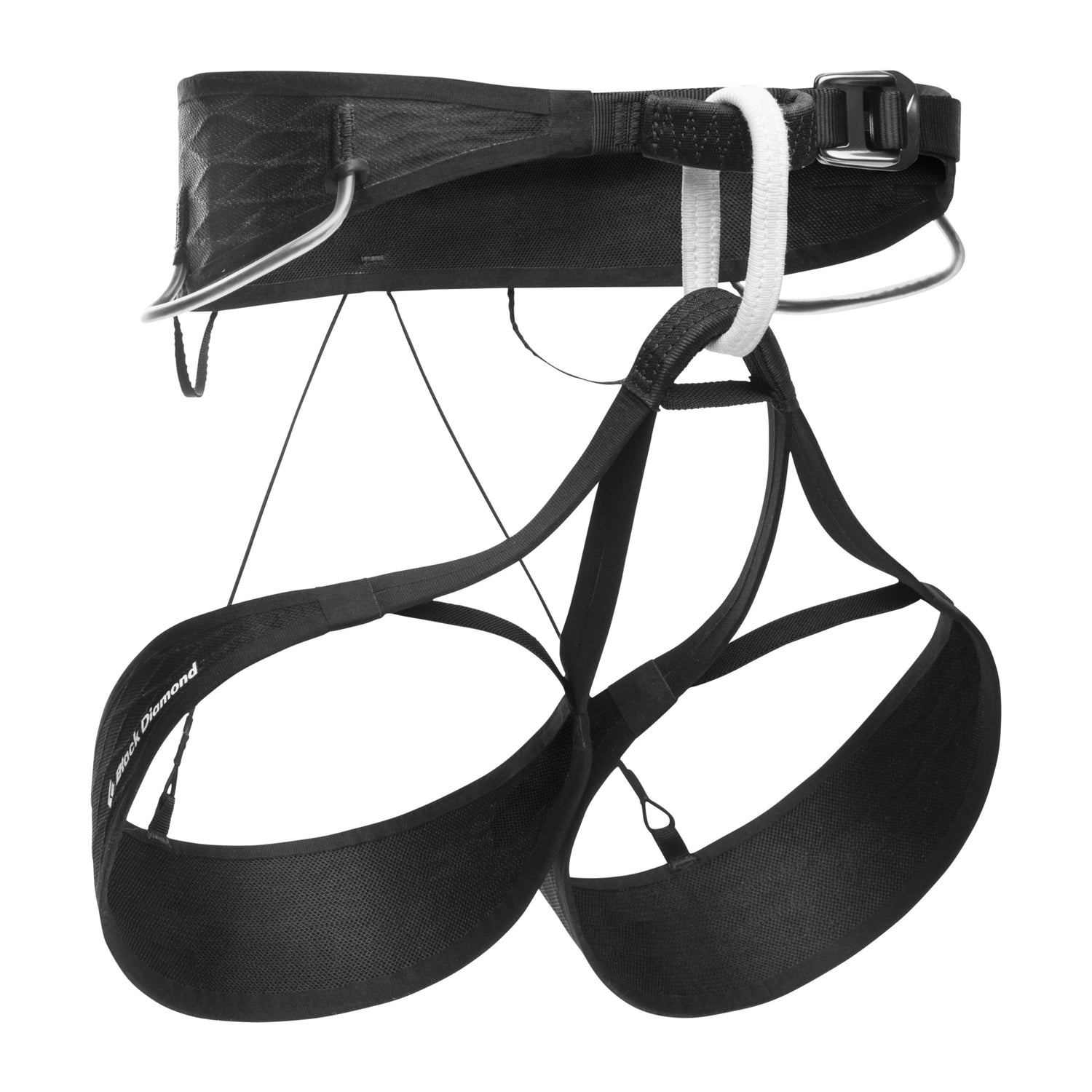
Men's Airnet Harness
€160,00
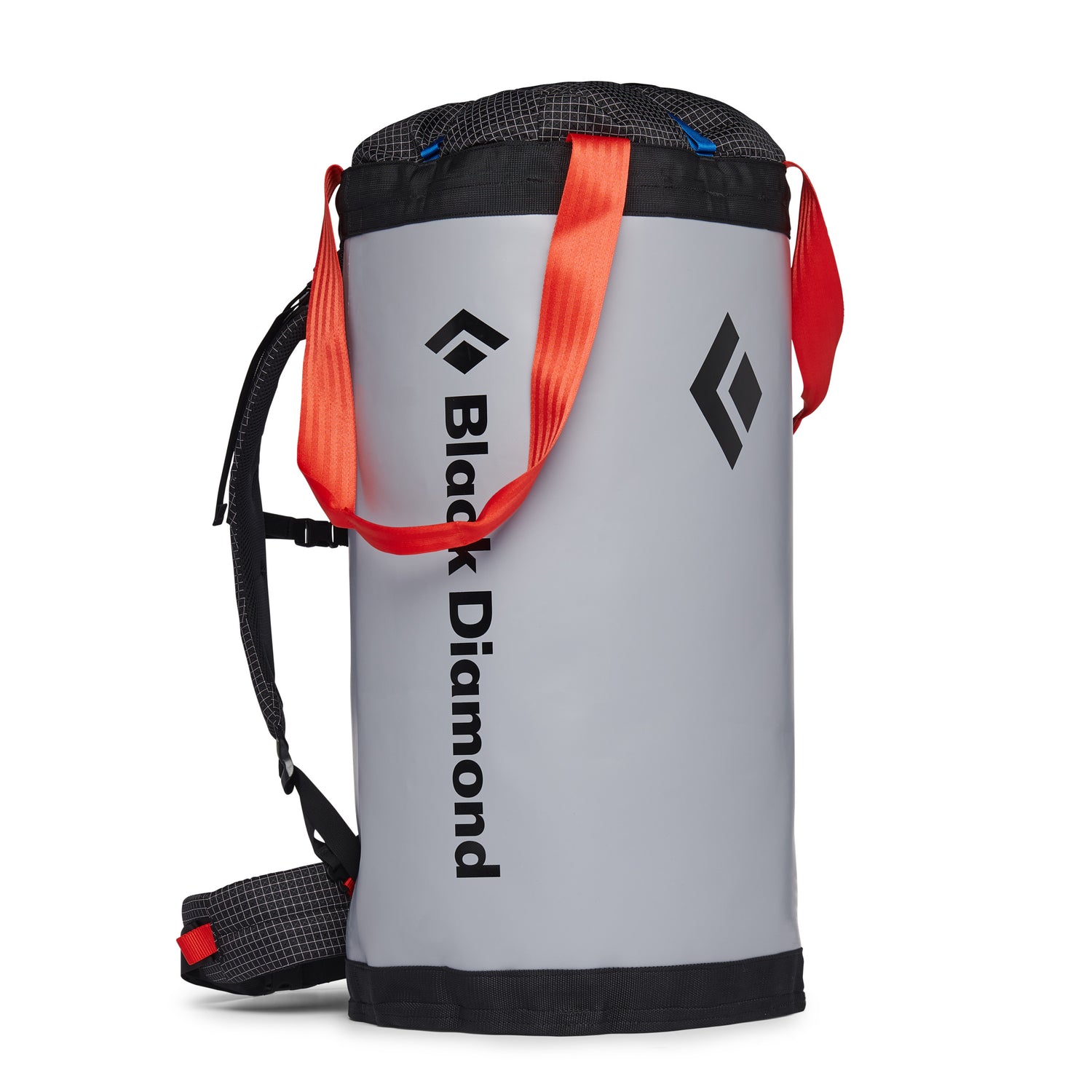
Wall Hauler 70 Haul Bag


Men's First Light 2.0 Stretch Hoody


Men's Coefficient LT Hybrid Hoody
Perch Double Portaledge
Beta Light 30 Backpack


